
- All
- Product Name
- Product Keyword
- Product Model
- Product Summary
- Product Description
- Multi Field Search

Views: 316 Author: Site Editor Publish Time: 2026-03-03 Origin: Site


The ocean is a brutal environment. Saltwater, constant humidity, and extreme mechanical stress can destroy standard materials in months. This is why marine aluminum extrusions have become the backbone of modern shipbuilding and offshore engineering. But what exactly are they? Simply put, they are aluminum alloys shaped by being pushed through a die to create specific cross-sections. Unlike standard architectural aluminum, these are engineered to survive the most corrosive conditions on Earth.
In this guide, we will explore why marine aluminum extrusions are the preferred choice for engineers. We will look at their chemical makeup, the benefits of their High strength-to-weight ratio, and how Custom shapes solve complex design problems. Whether you are building a small fishing boat or a massive offshore platform, understanding these components is crucial for long-term structural integrity.
Not all aluminum is created equal. If you use a standard 6063 alloy on a boat, it will pit and corrode within a single season. Marine aluminum extrusions primarily utilize the 5xxx and 6xxx series alloys. These specific metals contain magnesium and silicon, which create a natural oxide layer. This layer acts as a shield against the chloride ions found in seawater.
The most common "workhorse" for Heavy duty structural applications is the 5083 alloy. It offers incredible weldability and maintains its properties even in freezing temperatures. On the other hand, the 6061 alloy is often used for Structural frames because it can be heat-treated to reach a higher hardness.
They provide a Lightweight alternative to steel. Steel is heavy and rusts; aluminum is light and protects itself. This weight reduction allows vessels to carry more cargo or reach higher speeds with less fuel. It is a win-win for both the environment and the operator's wallet.
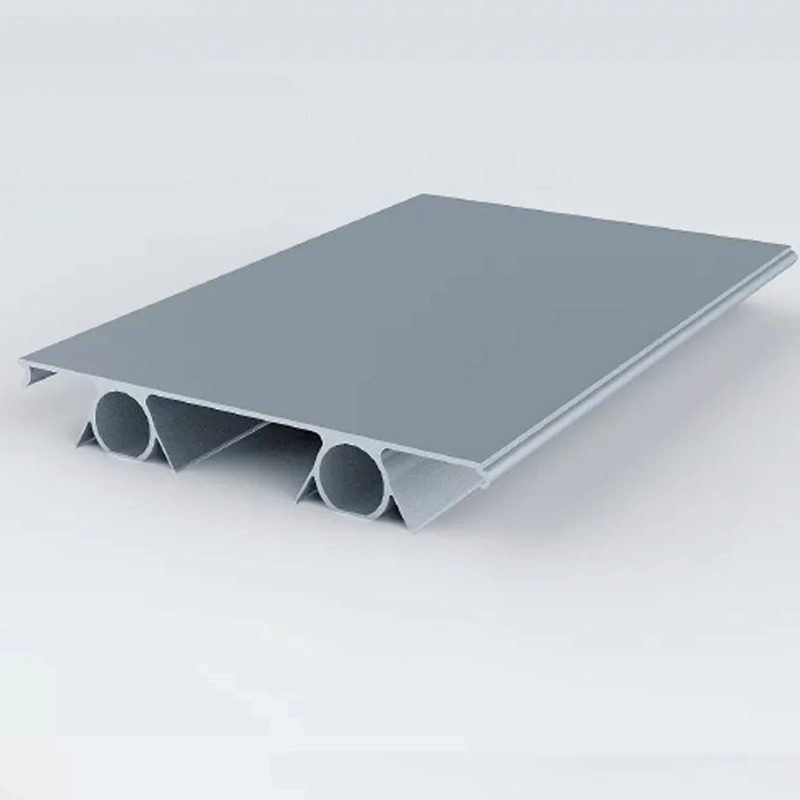
The journey of marine aluminum extrusions starts with a solid cylindrical log called a billet. We heat this billet until it is soft—but not molten—and force it through a steel die under immense pressure. Think of it like a giant pasta machine, but the result is a High strength beam or a complex hollow tube.
One of the biggest perks of this process is the ability to create Custom profiles. Instead of welding multiple steel plates together, we can extrude a single piece that includes grooves for wiring, slots for rubber seals, and reinforced corners. This reduces the number of joints in a vessel. Fewer joints mean fewer points of failure.
After the metal leaves the press, it undergoes stretching to ensure straightness. For many marine aluminum extrusions, the process doesn't end there. They might be anodized—an electrochemical process that thickens the natural oxide layer—to provide even more protection against the salty mist.
When we talk about Heavy duty structural components, we are referring to the parts of the ship that take the most abuse. This includes the keel, the hull stringers, and the deck beams. Marine aluminum extrusions are designed to absorb impact without cracking, which is vital if a boat hits a dock or debris.
The "superstructure" is the part of the ship above the main deck. Using Lightweight aluminum here is a strategic move. By reducing the weight at the top of the ship, we lower the center of gravity. This makes the boat more stable in rough seas. They are also used for gangways and railings because they stay cool to the touch and don't splinter like wood or rust like iron.
It isn't just about boats. Oil rigs and wind turbine platforms use these extrusions for Structural frames that must sit in the ocean for 20 or 30 years. These structures need to be Precision machined to fit together perfectly in the middle of the ocean where on-site repairs are nearly impossible.
An extrusion is rarely ready for use straight off the press. To meet the tight tolerances of modern engineering, marine aluminum extrusions often go through a Precision machined phase. This involves CNC (Computer Numerical Control) milling, drilling, and tapping.
In a marine engine room or a hydraulic system, a gap of even one millimeter can lead to a leak or a vibration that destroys the machine. Precision machined parts ensure that Custom extrusions fit perfectly into their designated slots. We use these techniques to create interlocking floor planks that snap together, creating a watertight deck surface without the need for extensive welding.
Because aluminum is softer than steel, the threading process must be handled with care. Experts often use stainless steel inserts in marine aluminum extrusions to ensure that bolts don't strip the threads during high-vibration operations. This combination of High strength aluminum and stainless steel hardware is the industry gold standard.
Why spend more on marine aluminum extrusions when steel is cheaper? The answer lies in the "Total Cost of Ownership." If you look at the lifespan of a vessel, aluminum wins almost every time.
| Feature | Marine Grade Aluminum | Carbon Steel |
| Weight | Lightweight (1/3 of steel) | Heavy |
| Corrosion Resistance | Excellent (Self-healing) | Poor (Requires painting) |
| Maintenance | Low | High (Constant scraping/painting) |
| Fabrication | Easy to extrude Custom shapes | Limited to standard rolls/plates |
| Strength | High strength-to-weight | High absolute strength |
Because aluminum is so Lightweight, a ship built with marine aluminum extrusions can carry significantly more weight. For a commercial shipping company, this means more containers per trip. For a coast guard vessel, it means higher speeds and better maneuverability during a rescue mission.
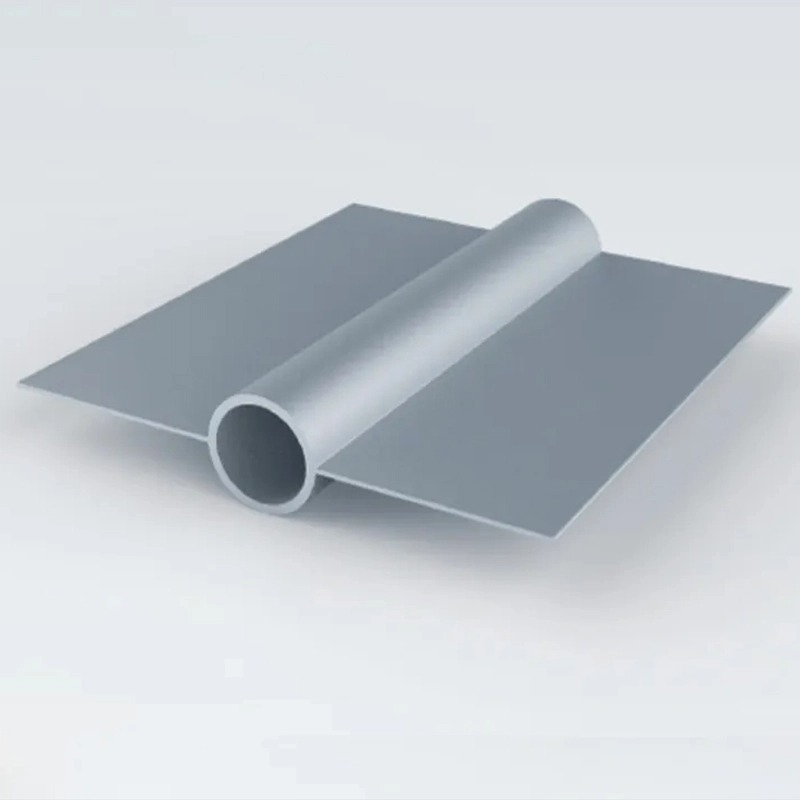
No two boats are exactly the same. This is where Custom marine aluminum extrusions shine. Designers can create profiles that serve three or four purposes at once.
Imagine a single extrusion that acts as a Structural frame member, a wire conduit, and a decorative trim all at once. This "integration" is only possible with aluminum. It simplifies the supply chain. Instead of ordering ten different parts, you order one Custom profile.
We work closely with naval architects to design dies that produce these specific shapes. While there is an upfront cost for a Custom die, the labor savings during the assembly of the ship usually pay for the die within the first few units produced. It allows for a level of design freedom that was previously unthinkable in the maritime world.
Today, we focus heavily on the "Green" aspect of maritime tech. Marine aluminum extrusions are 100% recyclable. In fact, recycling aluminum takes only 5% of the energy required to produce "primary" aluminum from ore.
When a ship reaches the end of its life, the aluminum can be melted down and turned into a new High strength extrusion without losing any of its physical properties. This makes it a key material for companies aiming for "Net Zero" carbon goals.
We are currently seeing the rise of "Scandium-doped" aluminum. This new generation of marine aluminum extrusions offers even higher fatigue resistance. They are helping us build lighter, faster, and more durable structures for the next generation of ocean exploration.
So, what are marine aluminum extrusions? They are the perfect marriage of chemistry and mechanical engineering. By choosing the right alloys and utilizing Custom shapes, the marine industry has found a way to conquer the corrosive power of the sea. These High strength, Lightweight, and Heavy duty structural components offer a lifespan and efficiency that steel simply cannot match. From Precision machined parts to massive Structural frames, aluminum is the clear path forward for anyone serious about building on the water.
Q: Are marine aluminum extrusions expensive?
A: The initial cost is higher than steel, but the lack of maintenance and lower fuel costs make them cheaper over the long term.
Q: Can you weld marine aluminum?
A: Yes, especially the 5xxx series. However, it requires specific techniques like MIG or TIG welding with the correct filler wire to maintain High strength.
Q: Does saltwater hurt aluminum?
A: Standard aluminum can be damaged, but marine aluminum extrusions are specifically alloyed with magnesium to resist saltwater corrosion.
Q: Can I get custom shapes for a small project?
A: Yes, many manufacturers offer Custom die services, though there is usually a minimum order quantity or a one-time tooling fee.
With over 30 years of deep-rooted experience, our factory is a sprawling hub of innovation, housing dozens of advanced extrusion lines and a dedicated team of over 1,000 skilled professionals. We don't just "make" aluminum; we engineer solutions. Our facility is fully equipped for Heavy duty structural production, featuring integrated smelting, die casting, and Precision machined centers that allow us to control every step of the quality process.
For our B2B partners, we offer a seamless one-stop service. Whether you need Custom marine aluminum extrusions for a new fleet of vessels or High strength Structural frames for offshore infrastructure, we have the capacity to deliver. We hold international certifications (like ISO 9001 and ISO 14001) that guarantee our products meet the rigorous demands of the global market. We invite you to leverage our massive production power and technical expertise to bring your most ambitious maritime projects to life. We are ready to be your long-term manufacturing partner.