
- All
- Product Name
- Product Keyword
- Product Model
- Product Summary
- Product Description
- Multi Field Search

Views: 416 Author: Site Editor Publish Time: 2026-02-24 Origin: Site


When building a high-performance computer or designing industrial electronics, thermal management is your top priority. You likely face the classic debate: copper vs aluminum heatsink. Both materials dominate the market, but they serve very different purposes. Choosing the wrong one leads to thermal throttling, shortened component lifespans, or unnecessary expenses.
This guide explores the physical properties, manufacturing costs, and real-world applications of these metals. We focus heavily on why heat sink material aluminium remains the industry standard for most builds, while copper holds its ground in extreme niches. By the end of this article, you will know exactly which material fits your specific thermal cooling needs.
Thermal conductivity measures how fast heat moves through a material. It is the primary reason engineers look at copper. Copper has a thermal conductivity of roughly 400 W/m·K, while aluminum sits around 235 W/m·K. This gap suggests copper is nearly twice as efficient at moving heat away from a CPU or LED.
However, heat transfer is a two-step dance: absorption and dissipation. While copper absorbs heat faster, it does not always shed it to the air more effectively than its rival. An aluminium material heat sink with high thermal conductivity alloys (like 6063) provides a balanced profile. It moves heat quickly enough for 90% of consumer electronics while remaining much lighter.
For high-density power modules, a high density copper sink might be necessary. But for most users, the difference in temperature often amounts to only a few degrees Celsius. You must decide if those 3–5 degrees are worth the massive increase in weight and price. In the copper vs aluminum heatsink showdown, conductivity is just the first chapter.
Weight is a silent killer in hardware design. Copper is about 3.2 times denser than aluminum. If you build a massive tower cooler out of pure copper, it could weigh over 2 kilograms. This puts immense physical stress on a motherboard or a delicate PCB. Over time, this weight causes the board to warp or even crack.
This is where heat sink material aluminium wins the "usability" trophy. Engineers can create a high density fin array without making the device too heavy to ship or mount. For aerospace or mobile applications, aluminum is the only logical choice. It offers the best "cooling-to-weight" ratio available.
Furthermore, aluminum is more rigid in thin-fin configurations. A skived fin aluminum sink maintains its shape better during handling. Copper fins are often soft and prone to bending. If your fins bend, airflow is blocked, and your cooling performance drops significantly. Choosing an industrial CNC machined aluminum part ensures the structure stays true under heat and vibration.
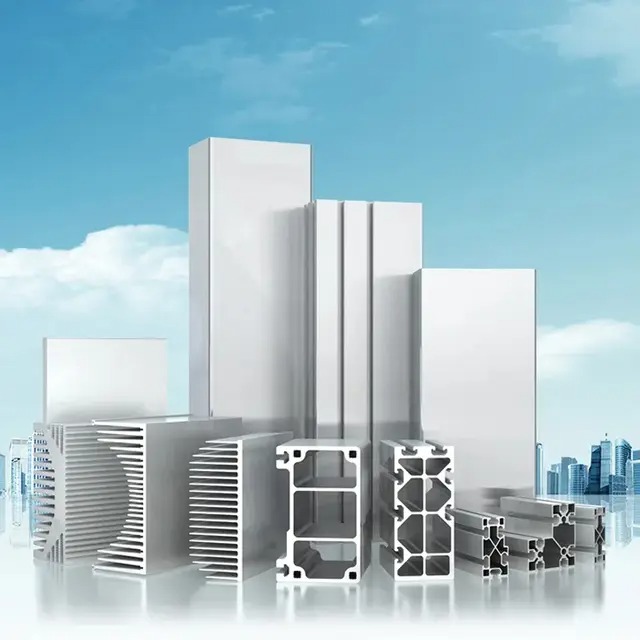
Price is often the deciding factor in B2B procurement and consumer electronics. Copper is a "semi-precious" industrial metal. Its price fluctuates wildly based on global markets. Aluminum is significantly cheaper and more abundant. When you factor in the ease of manufacturing, the cost gap widens even further.
Aluminum is perfect for extrusion. We can push heated aluminum through a die to create complex shapes in seconds. This makes heat sink material aluminium the go-to for mass production. Copper cannot be extruded easily; it usually requires expensive CNC machining or bonding processes.
Raw Material: Copper is usually 3x to 4x more expensive per kilogram.
Machining: Aluminum is "softer" on tools, leading to faster industrial CNC machined cycles and lower tool wear.
Shipping: Because aluminum is lighter, logistics costs for bulk orders are significantly lower.
| Feature | Copper Heatsink | Aluminum Heatsink |
| Thermal Conductivity | ~400 W/m·K (Superior) | ~235 W/m·K (Good) |
| Weight | Very Heavy | Lightweight |
| Corrosion Resistance | Moderate (Patina) | Excellent (Corrosion resistant) |
| Manufacturing | Machined / Bonded | Extruded / Die-cast |
| Price | High | Budget-friendly |
Raw metals react with oxygen. Copper turns green or brown (oxidation), which can slightly reduce its thermal efficiency and look terrible in a clean build. To prevent this, copper requires nickel plating, which adds more cost. Aluminum has a natural trick: it forms a thin, protective oxide layer instantly.
To boost this protection, we use anodization. An anodized black finish is common for an aluminium material heat sink. This process doesn't just make it look sleek; it increases the surface area at a microscopic level. It also makes the surface corrosion resistant, which is vital for outdoor telecommunications or marine electronics.
An anodized black coating also improves "radiant" heat transfer. In stagnant air (passive cooling), a black surface emits heat better than a shiny one. This is a technical advantage often overlooked in the copper vs aluminum heatsink debate. Aluminum allows for various coatings that copper simply cannot bond with as effectively.
When the thermal load is too high for a standard extruded sink, we look at advanced geometries. Both metals can be used, but they behave differently under the knife.
A skived fin process involves "shaving" fins up from a solid block of metal. This creates a seamless connection between the base and the fins. Because there is no "interface" (like glue or solder), heat flows perfectly. Aluminum is the preferred heat sink material aluminium for this because it maintains structural crispness even when the fins are only 0.2mm thick.
In a restricted space, you need high density fins. Aluminum allows for thinner, taller fins that stay straight. If you tried the same high density design with copper, the fins might collapse under their own weight or during the industrial CNC machined process.
Many modern high-end coolers use a copper base plate with aluminum fins. This "best of both worlds" approach uses copper to absorb the initial "heat spike" from the chip and aluminum to dissipate it into the air. However, this adds complexity because you must join two different metals, which can lead to galvanic corrosion if not sealed properly.
You shouldn't just buy the "best" material; you should buy the right one for your application. Let's look at where heat sink material aluminium dominates versus where copper is king.
In cars and large machinery, vibration is constant. An industrial CNC machined aluminum sink is corrosion resistant and light enough to withstand constant shaking without snapping its mounts. Aluminum's ability to be cast into complex engine-integrated shapes makes it indispensable.
If you are pushing a CPU to its absolute limits, you want copper. The high thermal burst of an overclocked chip needs that high thermal conductivity to prevent instant shutdown. Here, the extra weight is a trade-off gamers are willing to accept for a 2% performance gain.
LEDs are sensitive to heat but need to be cheap. A simple extruded aluminium material heat sink with an anodized black finish is the gold standard. It keeps the LEDs cool enough to last 50,000 hours while keeping the light fixture light enough for ceiling mounting.
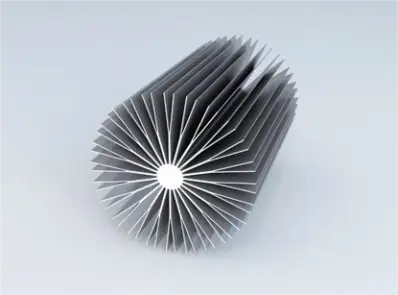
We often talk about conductivity, but thermal resistance is what actually stops your chip from melting. This is the sum of all obstacles heat faces on its way to the atmosphere.
If you have low airflow (a quiet fan), the material matters less than the surface area. Since aluminum is cheaper, you can afford a larger aluminum sink with more fins for the same price as a small copper one. More surface area usually beats higher conductivity when airflow is the bottleneck.
Every copper vs aluminum heatsink requires thermal paste. This "TIM" (Thermal Interface Material) usually has much lower conductivity than either metal. Often, the bottleneck isn't the aluminum; it is the tiny gap between the chip and the sink. Focusing on a perfectly flat, industrial CNC machined surface is more important than choosing copper over aluminum.
As we move toward "green" manufacturing, the environmental impact of your heat sink material aluminium choices matters. Aluminum is one of the most recycled materials on earth. Recycling it takes only 5% of the energy used to create "primary" aluminum.
Copper is also recyclable, but the mining process is much more destructive to the environment. For companies looking to meet ESG (Environmental, Social, and Governance) goals, aluminum is the clear winner. It is lighter to ship (burning less fuel) and easier to melt down and reuse.
Furthermore, new aluminum alloys are being developed with high thermal conductivity that rivals lower grades of copper. We are seeing a trend where industrial CNC machined aluminum is replacing copper even in high-performance sectors because the alloys are getting better every year.
In the battle of copper vs aluminum heatsink, there is no single winner, but there is a clear "best choice" for most. Aluminum is the versatile champion. It is lightweight, corrosion resistant, and offers the best value through industrial CNC machined or extruded processes. An anodized black aluminum sink is often all you need for professional-grade cooling.
Copper remains a specialized tool. Use it when space is extremely tight and you have a massive amount of heat concentrated in a tiny spot. For everything else, stick with a high-quality heat sink material aluminium.
Q: Can I use an aluminum heatsink with liquid metal thermal paste?
A: No. Liquid metal (Gallium-based) will chemically attack aluminum and turn it into a powder. If you use liquid metal, you must use a nickel-plated copper heatsink.
Q: Does painting a heatsink black help?
A: Standard paint acts as an insulator and makes cooling worse. However, an anodized black finish is a chemical change to the metal that actually helps heat radiation without trapping heat.
Q: Which is better for a silent PC?
A: Aluminum is usually better. Because it is cheaper, you can use a much larger high density sink that allows you to run your fans at a lower, quieter speed.
As a professional leader in the aluminum industry, we specialize in high-precision thermal solutions tailored for global B2B clients. Our factory operates with top-tier industrial CNC machined equipment and advanced extrusion lines, allowing us to produce an aluminium material heat sink that meets the most demanding specifications. We don't just supply raw parts; we provide fully finished components, including anodized black surfaces and corrosion resistant coatings that ensure long-term reliability in harsh environments.
We take pride in our ability to deliver high thermal conductivity products at scale. Whether you require a skived fin design for concentrated cooling or a high density array for power electronics, our engineering team is ready to assist. We focus on providing cost-effective, lightweight, and durable solutions that help our partners reduce shipping costs while maintaining peak performance. Contact us today to see how our factory's strength can support your next large-scale project.