
- All
- Product Name
- Product Keyword
- Product Model
- Product Summary
- Product Description
- Multi Field Search

Views: 316 Author: Site Editor Publish Time: 2026-02-21 Origin: Site


Choosing the right material for a mobile home determines its lifespan, weight, and aesthetic appeal. When people ask, "What kind of aluminum is used for caravan cladding?" they usually look for a balance between durability and ease of maintenance. Aluminum remains the gold standard in the RV industry. It is Lightweight, making it easier to tow, and naturally Corrosion resistant, which is vital for vehicles exposed to rain, salt air, and humidity.
Modern manufacturing has evolved beyond basic sheets. Today, caravan aluminium cladding profiles are engineered with specific alloys and coatings to handle the rigors of the road. Whether you prefer a Smooth finish for a sleek look or a White powder coated surface for heat reflection, the "kind" of aluminum matters. In this guide, we break down the technical grades, surface treatments, and structural profiles used by top-tier caravan manufacturers to ensure your vehicle stays protected for decades.
Not all aluminum is the same. For caravan aluminium cladding profiles, manufacturers prioritize alloys that offer high workability and excellent surface quality. The most common "kind" of aluminum used is the 3xxx and 5xxx series.
This is the workhorse of the industry. It contains manganese, which increases strength by about 20% over pure aluminum. It is highly Corrosion resistant and very easy to form into the ripples or ridges seen on traditional trailers. Because it is relatively inexpensive and highly reliable, it serves as the primary choice for standard cladding for caravans.
When a manufacturer wants a Smooth exterior that looks premium, they often turn to 5005. This alloy contains magnesium. It provides a cleaner finish when anodized and offers better atmospheric Corrosion resistant properties. It is slightly tougher than 3003, making it an excellent choice for luxury aluminium caravan siding where dent resistance is a priority.
These alloys share a critical trait: they are Lightweight. Reducing the "dry weight" of a caravan allows for more interior features without exceeding towing limits. By selecting these specific grades, builders ensure the shell is tough enough to withstand wind pressure at 100km/h while remaining flexible enough to handle the vibrations of bumpy backroads.
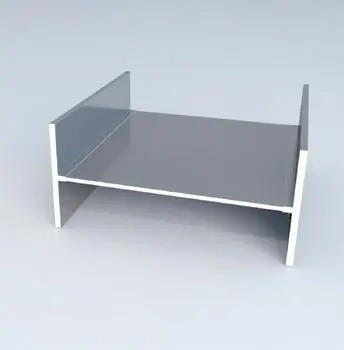
The raw metal is rarely left exposed to the elements. Instead, caravan aluminium cladding profiles undergo intensive surface treatments. These coatings serve two purposes: they look good, and they provide an extra layer of defense against the environment.
A White powder coated finish is the most popular choice globally. Why? It reflects a massive amount of solar radiation. Inside a caravan, heat management is everything. White surfaces keep the interior temperature significantly lower compared to darker colors. The powder coating process involves electrostatically applying a dry powder and curing it under heat. This creates a hard skin that is much tougher than conventional liquid paint.
Road debris, low-hanging branches, and hailstones are constant threats. High-end caravan aluminium cladding profiles now include Anti-scratch additives in the coating. These coatings use ceramic or specialized polymer particles to reduce the friction of impacting objects. If a branch scrapes the side of your van, an Anti-scratch surface is more likely to deflect the damage rather than allowing it to gouge into the metal.
These treatments ensure the aluminum stays Corrosion resistant even if the caravan is parked near the ocean. Without these coatings, the salt air would eventually lead to pitting and oxidation. With them, a simple wash is usually all it takes to keep the exterior looking brand new for years.
The "kind" of aluminum also refers to its physical shape or "profile." The geometry of the caravan aluminium cladding profiles impacts the structural integrity of the entire vehicle.
Smooth cladding is the hallmark of modern, high-end RVs. It offers a clean, automotive look that is easy to apply decals to. However, Smooth panels require thicker aluminum to prevent "oil canning" (the warping or bubbling of the metal surface). While it looks fantastic, it can be slightly heavier than textured alternatives because of this required thickness.
If you look at traditional or budget-friendly caravans, they often use a "stucco" (pebbled) texture or a ribbed profile. These designs serve a functional purpose. The "ribs" in caravan aluminium cladding profiles act like structural beams, providing stiffness to a very thin sheet of metal. This allows the caravan to remain Lightweight while still being rigid. The stucco texture is also excellent at hiding small dents and stone chips that would be glaringly obvious on a Smooth surface.
| Profile Type | Aesthetic | Structural Strength | Maintenance |
| Smooth | Modern/Sleek | Requires frame support | Easy to clean |
| Ribbed | Traditional | High (Self-supporting) | Holds some dirt in ridges |
| Stucco | Industrial | Medium | Best at hiding scratches |
Aluminum is a fantastic conductor of heat, which is actually a problem for a caravan. To fix this, the caravan aluminium cladding profiles are almost always part of a "sandwich" panel. This creates an Insulated environment that keeps you warm in winter and cool in summer.
Manufacturers bond the aluminum skin to a core of Expanded Polystyrene (EPS) or Polyurethane (PU) foam. This creates a composite material. The aluminum provides the Corrosion resistant outer shell, while the foam provides the thermal break. This combination is much stronger than either material alone. It also dampens sound, meaning you won't hear every single raindrop hitting the roof like a drum.
In professional caravan aluminium cladding profiles, attention is paid to the joins. If the aluminum from the outside touches the aluminum on the inside, heat will transfer through. To prevent this, experts use "thermal breaks"—usually plastic or rubber gaskets—at the seams. This ensures the caravan remains fully Insulated, reducing the energy needed for air conditioning or heating. This makes your travel more Lightweight on your wallet and the environment.
One of the biggest concerns for owners is "aluminum rot" or electrolysis. However, the specific caravan aluminium cladding profiles used today are designed to be extremely Corrosion resistant.
Aluminum naturally forms a thin layer of aluminum oxide when exposed to air. This layer acts as a shield. In cladding for caravans, this natural property is enhanced through chemical "conversion coatings." These treatments ensure that even if the White powder coated surface is scratched, the metal underneath won't rust like steel would.
A common mistake in DIY caravan repair is using the wrong fasteners. When aluminum touches steel or copper in the presence of moisture, it corrodes rapidly. Professional caravan aluminium cladding profiles are installed using stainless steel screws or specialized adhesives. Using adhesives is often better because it eliminates holes entirely, making the structure more Corrosion resistant and leak-proof.
By understanding these chemical interactions, manufacturers can guarantee that a caravan's cladding will last 20 to 30 years without structural failure. It is this reliability that makes aluminum the preferred choice over fiberglass or plastic for many long-distance travelers.
The primary reason aluminum is the answer to "what kind of metal is used" is its density. Efficiency is the goal of every modern traveler.
Every kilogram added to the cladding is a kilogram taken away from your payload (water, food, gear). Because aluminum is so Lightweight, it allows for larger caravans that can still be towed by standard SUVs. Heavy cladding raises the center of gravity, which can cause dangerous swaying at high speeds. Caravan aluminium cladding profiles keep the weight low and distributed evenly across the chassis.
A Lightweight caravan requires less torque to move. Over a 5,000-mile road trip, the difference between aluminum cladding and heavier materials can save hundreds of dollars in fuel. Furthermore, as the world moves toward electric towing vehicles, the weight of the caravan aluminium cladding profiles becomes even more critical to maximize battery range.
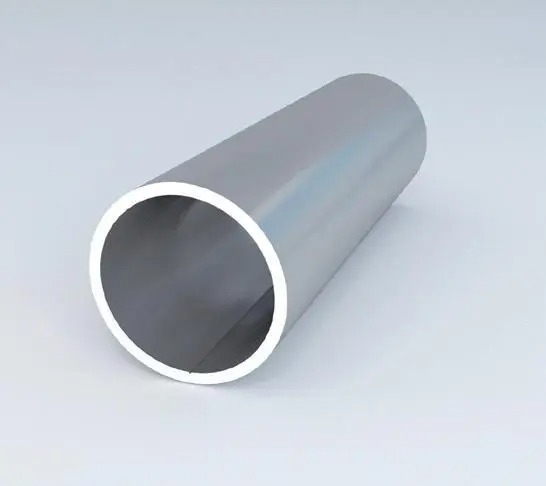
The way these profiles are installed determines how well they perform. Modern caravan aluminium cladding profiles often feature "interlocking" designs.
Rather than just overlapping sheets, many caravan aluminium cladding profiles use a tongue-and-groove system. This makes the assembly nearly waterproof even before sealant is applied. It also allows the metal to expand and contract with temperature changes without buckling.
To keep your White powder coated or Smooth aluminum looking good, you don't need harsh chemicals. In fact, heavy degreasers can damage the Anti-scratch coating.
Use a pH-neutral soap and a soft brush.
Avoid abrasive pads that can dull the Smooth finish.
Inspect seams annually for any degraded sealant.
Keeping the surface clean prevents "environmental etching," where bird droppings or tree sap sit on the surface and eventually eat through the White powder coated layer.
So, what kind of aluminum is used for caravan cladding? It is a highly specialized, Lightweight, and Corrosion resistant alloy—typically from the 3003 or 5005 series. Whether it features a White powder coated finish for heat reflection or an Anti-scratch coating for durability, these caravan aluminium cladding profiles are designed to survive the toughest conditions. By opting for Insulated sandwich panels and Smooth or ribbed profiles, manufacturers create vehicles that are safe, efficient, and beautiful.
Understanding these materials helps you make an informed decision, whether you are buying a new van or restoring a classic. Aluminum isn't just a covering; it's a high-tech shield for your home on wheels.
Q1: Is aluminum better than fiberglass for caravan cladding?
Aluminum is generally more Lightweight and easier to repair. While fiberglass looks seamless, it can crack over time and is much heavier. Caravan aluminium cladding profiles are also more Corrosion resistant in the long term when properly coated.
Q2: Can I paint my old aluminum caravan cladding?
Yes, but you must use a primer specifically designed for aluminum. If the original was White powder coated, you need to scuff the surface slightly so the new paint sticks.
Q3: How do I fix a dent in smooth aluminum cladding?
Small dents in Smooth profiles can sometimes be pulled using suction tools, but because aluminum "stretches" when dented, it may not return to a perfect flat state. This is why many people prefer ribbed or stucco caravan aluminium cladding profiles, as they hide imperfections better.
Q4: Is aluminum cladding fire-resistant?
Aluminum itself has a high melting point, but the Insulated core (like EPS) may not be. Always check if your caravan uses fire-retardant foam cores in its cladding for caravans.
As a leading producer in the aluminum extrusion industry, we operate a world-class manufacturing facility dedicated to high-precision caravan aluminium cladding profiles. We don't just supply metal; we provide engineered solutions. Our factory features multiple advanced extrusion lines and an automated White powder coated plant that ensures every millimeter of our product is Corrosion resistant and aesthetically flawless.
We understand the demands of the B2B market. From supplying international RV manufacturers to supporting regional distributors, we prioritize consistency and durability. Our Lightweight profiles are exported globally, backed by rigorous quality control that tests for Anti-scratch resilience and thermal efficiency. We are committed to helping our partners build better, safer, and more efficient mobile homes. If you are looking for a reliable manufacturing partner with the technical strength to deliver Smooth or Insulated cladding at scale, we have the infrastructure and expertise to make it happen.